
On the day that I told my neighbor and friend who is a psychiatrist that my brother had committed suicide, the first thing that she said to me was that he just didn’t have a reservoir of resilience to tap and that I alone could NOT give that to him. It was so hard wrap my mind around the depth of his pain and suffering and to hear that I could not take it away. I had talked him virtually every day in the month leading up to his death and I was trying very hard and doing all that I could to help him. After his death, people kept telling me over and over again that this was not my fault and that I had done all that I could. My initial response to these words, meant to be kind and comforting, was anger. How did people know that I had done all that I could? I didn’t know that and I was questioning every single conversation and interaction. I felt like a failure and I was angry at him. We had a plan. We talked virtually every day, many of those more than once and day and there was a plan to make it through the trouble. He had been through so much in his life and came out the other end not just having survived, but thrived. In my mind, this current issue surely couldn’t seem insurmountable to him after all that he had been through and conquered. But in the end, his well was empty and he felt hopeless when he died even though he was surrounded by people who loved him and cared for him deeply. At the end, he was seeking out ugliness as a justification for his anger and self-resentment.
I feel like I’ve made it through the first phase in my journey of grief and I know that I am not responsible for his death and that NO ONE else is either. There were a lot of things happening in his life when he died. Many members of our family and his close friends, me included, regret things that we should have, would have and could have done. In addition to looking inward at ourselves for blame, we were all looking for others to blame, again me included. But NO ONE else is to blame or is responsible for what he did. He had gotten to the point where he felt hopeless.
He was very lonely and was hurting badly when he died. Loneliness is a strange feeling. You feel isolated and ostracized even when you may be surrounded by people who love you. The darkness of loneliness is so overwhelming and all-encompassing that the light of love struggles to pierce it’s veil. And then because of the loneliness you feel, you start to feel anger and then you actually start isolating yourself by physically removing yourself from others, twisting their words in your mind, and/or lashing out at those who are closest to you so that they will stay away. He was there and did not get to that point overnight. It was the chronic wearing down of his resilience over his entire life that got him to that point.
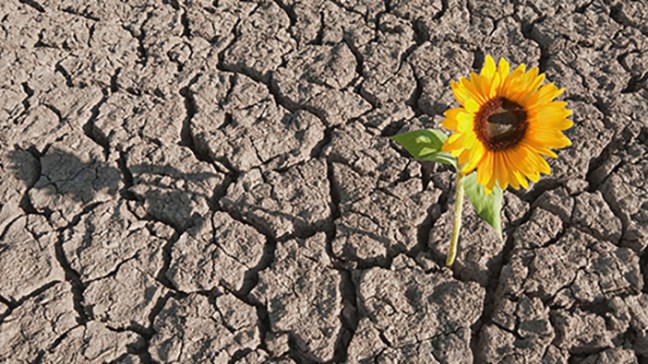
I think about resilience like a bank account, there are deposits and withdrawals and when combined, they create a balance that is either positive or negative. Deposits are made when you have wins in life, receive love and kindness from those you love and even strangers, and in many other ways. It creates joy and a peace. We’ve all experienced it – that warm feeling in the center of your chest, tear in your eye, and whole body shiver as endorphins run through your body. On the other side of the equation, there are withdrawals. These are the things that draw on those deposits like bills you can’t pay, commitments you can’t fulfill, physical and mental illness, disappointment in yourself and others, hatefulness and negative interactions with others and on and on. There are too many withdrawals to list and we all experience them, but there are people who experience more than others. And many times, these people run a negative balance in their account, which you can do for a while, but not for very long.
At some point, something has got to give. Many times, those who need a large deposit the most to get them out of the negative don’t have the resources – time, money, or energy – to do the things they need to do to refill their resilience account. These are people who experience emotional trauma such as witnessing and/or being victimized by abuse and violence, going hungry, losing loved ones, lacking money for basic needs, going through a divorce/break-up, feeling abandoned, experiencing untreated mental and/or physical health problems and on and one. If you haven’t already, you will probably experience some form of emotional trauma in your life, but people who are running a negative balance experience one emotional trauma after another and often more than one at the same time. We are all unique and therefore our deposits come from different things and experiences, but people who experience extreme emotional trauma need big deposits in the form of complete rest and professional psychological help. Sadly, these are the very people who don’t often get help and they can’t take a break from life and they lack the knowledge and/or money to seek out psychological help. They are able to limp along and find little things that fill up their account, but they often become bitter and angry and take it out on those who are closest to them and never find the complete healing that they need. They can appear happy to everyone around them, like my brother, because they are trying so hard to be happy, but true peace and joy allude them.
Again, no one is wholly responsible for my brother’s death, but it feels really unsatisfying to me to throw my hands up in the air and say, “oh well, there is nothing that I can do; guess I’ll just move on.” His death has created an emotional trauma for so many, especially his children. In honor of him, I want to take a moment to reflect, so that hopefully others can learn from the collective mistakes of the past. I’m not going to provide specifics and details of what was happening when he died out of respect for others. Instead, I’m going to reflect on my own personal experiences that I shared with him, who also had similar experiences.
Lesson #1 – Words and actions matter – be kind, always. The old saying, “sticks and stones may break my bones, but words will never hurt me” is a lie and I would like to ban it. Our words and their related actions matter. When we feel hurt and disappointed, we get angry, and it is so easy to lash out at others. We fill with rage and vindictiveness and seek out ways to intentionally harm others and we feel completely justified. I’ve been there and I believe that we all have at some point in our lives. I have caused the most hurt the people that I love the most – my mom, dad, sisters, brothers, and spouse. Because I know them so well, I know where their weaknesses and vulnerabilities are and I go for the jugular and say things to them that I would never, ever say to stranger or co-worker because my intent is to cause permanent and irreparable harm because I literally want them to feel my pain. Ironically though, the ones who are hurting us are frequently the ones who need love and kindness the most.
I went through a difficult divorce when I was in my early twenties. I had a big aha moment one day when my soon to be ex and I were arguing and I was berating him for being mean to me. Finally, he was exasperated and said, “Tawnya, you know, you are mean too and you are right, you don’t call me names, but the things you say to me make me feel like I am a lesser form of life to you.” I retorted that was not my intent and he interrupted and said, “quite frankly dear, no one cares about your intent when you make them feel the way that you make me feel.” I was very angry and indignant, of course. But after thinking about it, I asked my family if I made them feel that way. To my surprise, they agreed with him and told me, “but we love you so we put up with it, but most days, we really don’t like being around you.” That was really hard to hear and I knew that it was true. We weren’t arguing when they said it and there was no yelling. They just stated it as a matter of fact. Out of that experience, I made a vow to myself that I would be kind to everyone especially those that were hurting me or others. I’m not perfect and it will be a long journey to being a better human being, but I do practice kindness every day.
Lesson #2 – Forgive quickly and make amends. Around the time that I got divorced, I was angry at my biological dad. I had met him when I was 15 and had made an effort all through high school to get to know him and the rest of his family. I drove to Gillette several times alone driving five hours one-way from Scottsbluff to Gillette in the dark many times as a teenager. My dad, grandparents, brother and sister all came to my first wedding and not too long after that my husband and I moved to Denver and I thought that my dad would finally come visit me. He had no ties to Scottsbluff and really nowhere to stay, so it seemed normal that I drove up there while I was living at home with my mom. But, he never came to Denver in all of the time that I lived and he hardly ever called while I was there pursuing my bachelor’s degree and finally when it came time for graduation, I “intentionally forgot” to invite him and the rest of his family. I was tired of being the one that chased him. By that time, the internet existed and he knew where I was and if not, he could have gotten a hold of my mom at a minimum if he really couldn’t find me. So after my divorce, I moved changed my address and phone number and moved on with my life.
I thought often about siblings, my aunt and uncle, grandparents, and cousins, but every time I let myself start softening to the idea of calling him, I dug deep and lathered up my anger and hatred to keep it fresh so that I wouldn’t be tempted to forgive him and pick up the phone. At some point, I think the anger actually came from the shame that I felt towards myself for being so stubborn. One year turned into the next and five years later, I got a phone call from my mom’s brother asking me if I knew this girl from an email he had just received and I told him, yes, she is my sister. He had received a response to an old chain email that I had sent out years before and she was asking for my phone number. I knew immediately that something had happened to my dad and that he was probably dead. Minutes later the phone rang and my intuition was confirmed. I finally faced my fear, anger, and shame and went to my dad’s funeral and reconnected with my dad’s family – my family – with the help and support of my mom and new fiancé by my side. Out of that experience, I made a vow to myself that I would forgive quickly and do my best to build a positive relationship with those who had hurt me acknowledging that I cannot control how they respond, but I can control myself and my own attitude towards them. Again, I don’t have this mastered and I still struggle, but I have found that while I can’t control others, I find that it is almost impossible for them not to at least lower their guard in the face of my own kindness and forgiveness. I don’t do it to manipulate others. I do it because it makes me feel better and I hope it does that same for them.
Lesson #3 – It’s OK to ask for help. There is something about people from the mountain west region in the U.S. We are fiercely independent and by that I mean, we believe with all our being that we can do anything without any help from anyone. In fact, we are personally ashamed when we ask for help and we shame others when they ask for help. This can be asset and does push you to do things that you couldn’t imagine that you could, but it is a double-edged sword. We can cut off our own nose to spite our own face. I’ll go back to my example of when I went through my divorce. I was so sure that I could do everything myself that I literally tried to move an upright piano up the ramp of a U-Haul with no assistance. For the record, I got close, but it was insane to think that I could do that myself. If it weren’t for my mom, sister, friends and co-workers, I would have been homeless and would have lost everything I owned. My husband and I lived paycheck to paycheck and there was no extra. I repeated this “I can do it myself” pattern foolishly over and over again and eventually had a what I believe was a nervous breakdown.
I did finally seek professional help after suffering terrible insomnia and I’m glad that I did because I easily could have taken my brother’s path out my troubles at that time. In the first session, the therapist nailed the troubles that I had been struggling with my entire life and gave me practical and useful tools to work through them and deal with them over a series of weekly sessions. I still struggle with asking for help, but I’ve gotten better and since that point, I have made the best friends I’ve ever had in my life, deepened my relationships with my family, and I’ve asked for more professional help and as a result, my career progressed at a faster pace. Out of that experience, I vowed to force myself to first ask, who can help me – family, friends, colleagues (current and past), and/or professionals – before doing anything else?
Lesson #4 – Take care of yourself first. This is probably one of the hardest lessons that I still struggle to practice to this day. In the month leading up to his death, I often told him, everyone knows that you love your children and are doing the best that you can to take care of them, but you have to take care of yourself first. I reminded him of the message that you hear on an airplane from the flight attendant, “put on your own oxygen mask first, before helping others.” I really thought that he had heard me and was working on it. He said that he was looking for a professional psychological help and was willing to go and we talked about ways that others could support him in taking care of the kids, myself included. I was scheduled to go up there 10 days after he passed to talk about it between with him and others.
In the aftermath of his sudden death, I was busy trying to take care of his memorial and others and I do not regret that at all. I even went back to work right away after his funeral, but there was a deepening gap between me and reality and I’m fortunate enough to have a strong support network of people who know me really well and they pointed it out to me. So, I did something that I rarely do and dropped every professional and personal commitment and spent an entire week focused on me. I gave myself permission to turn off the outside world for a period of deep, intense rest and healing. I found a therapist, acupuncturist and energy healer. I slept a lot and generally spent time doing what I wanted to do and taking care of me. By the end of the week, I was finally able to really grieve for him because up to that point, I was too angry or busy. I am so glad that I did that because my soul feels different. I am still sad every day, miss him, and worry about his children and their mothers, my siblings, his mother, our other family, and his friends, but it doesn’t consume me.
I’m able to talk about the things that I learned from him and about what his life meant to me and others around him with a tremendous amount of pride. He taught me so much. He was the yin to my yang. He helped me be spontaneous, dream big, and to have the courage to risks and for that I will be eternally grateful. I often think about how sad it is that he could not see himself through my eyes because in my eyes, he has one of the most beautiful souls of anyone that I have ever known. Even in his death, he was still teaching me. Out of this experience, I vow to take care of myself first and feed my soul so that I have more love and light to share with others.
He had similar experiences to mine though not exactly the same. We talked often about these shared experiences. And in the end, I think that he just didn’t have enough deposits in his resilience account to offset all of the withdrawals. But, I do know in my own experience that living the vows that I made to myself above help me keep a surplus in my resilience account. I vow to be kind always, forgive quickly and make amends, ask for help and take care of myself. So, I ask you, how are you filling your resilience account?
 Lessons Learned so far
Ergonomic Wooden Shoes
LikeLike
Gorgeous
LikeLike
clicks-and-mortar
LikeLike
Meadow
LikeLike
port
LikeLike
driver
LikeLike
knowledge base
LikeLike